Aeron
Aeron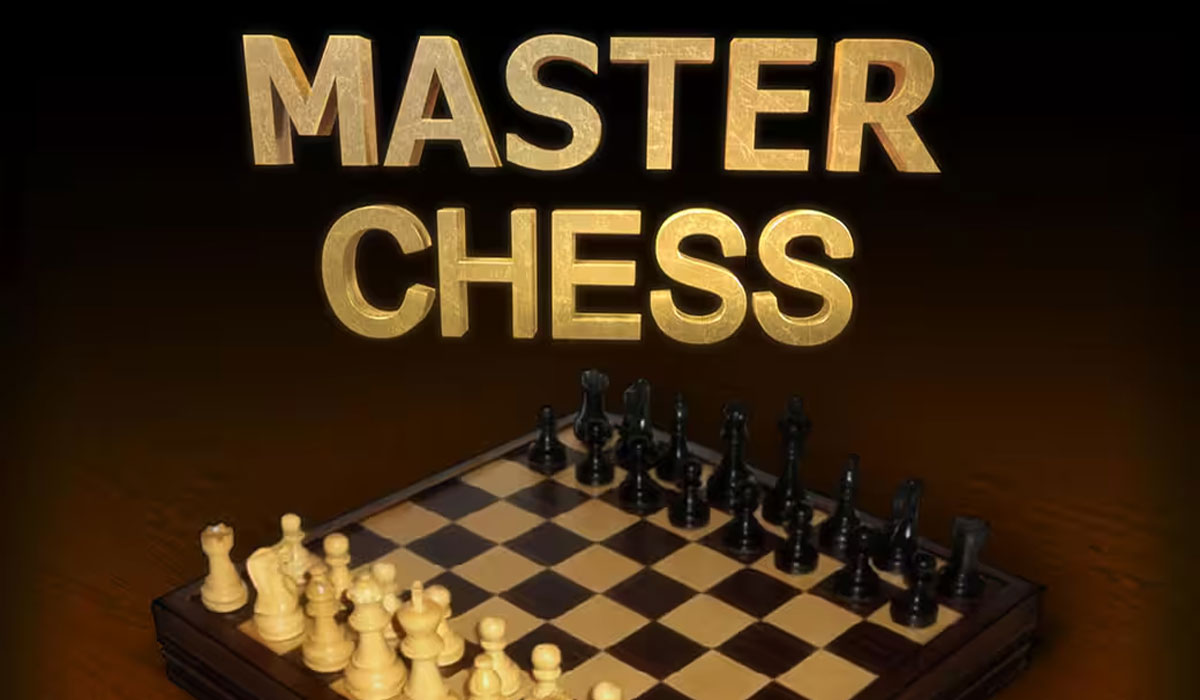
Chess is more than a game; it is a battlefield of the mind where strategy, foresight, and patience determine the victor.
Mastering chess requires understanding the principles that guide grandmasters, from opening theory to endgame tactics. By studying these techniques and cultivating a disciplined approach, players can elevate their game, anticipate opponents’ moves, and make smarter decisions under pressure. In this INFORMATION Revisiting Games that defined a Generati , we will discuss the most popular games in the world.
The Foundations of Chess Mastery
At the heart of mastering chess lies a strong understanding of the basics. Opening principles, such as controlling the center, developing pieces efficiently, and safeguarding the king, set the stage for a successful game. These foundational moves are crucial for establishing a strong position and gaining an early advantage over opponents.
Equally important is knowledge of tactical patterns, including forks, pins, skewers, and discovered attacks. Recognizing these patterns allows players to capitalize on opportunities and prevent threats before they become critical. Grandmasters often spend years perfecting their ability to spot these tactics instantly.
Another essential aspect of foundational mastery is understanding positional play. Unlike tactics, which rely on immediate calculation, positional awareness emphasizes long-term advantages, such as controlling key squares, improving piece activity, and limiting the opponent’s mobility. This balance between tactical sharpness and positional strategy forms the backbone of grandmaster-level play.
Opening Strategies and Preparation
Openings are the first impression in chess, and grandmasters treat them with meticulous attention. Studying opening theory helps players navigate the early moves confidently, avoiding common traps while creating opportunities for the middlegame. Popular openings like the Sicilian Defense, Queen’s Gambit, and Ruy López offer both rich tactical and strategic possibilities.
Preparation is a hallmark of advanced players. Grandmasters often memorize multiple lines and understand the resulting positions, enabling them to respond accurately to opponents’ moves. This preparation not only saves time but also reduces the chance of early mistakes, allowing players to maintain momentum.
Flexibility in openings is also key. While memorization provides structure, adapting to unexpected moves is crucial for success. Players must combine theoretical knowledge with creative thinking, transforming a well-known opening into a platform for unique strategies tailored to their style.
The Middlegame: Strategy and Calculation

The middlegame is where strategy meets calculation. At this stage, players must evaluate positions, plan attacks, and anticipate counterattacks. Grandmasters excel by balancing aggressive play with careful defense, ensuring that risks are calculated and sustainable.
Visualization and calculation skills are critical in the middlegame. Effective players can foresee sequences of moves several steps ahead, considering multiple variations and potential responses. This mental mapping allows them to execute combinations that can dramatically shift the balance in their favor.
Positional evaluation remains equally important during the middlegame. Assessing factors like pawn structure, piece activity, and king safety helps players identify strengths and weaknesses in their own and their opponent’s positions. By synthesizing calculation with positional judgment, grandmasters craft strategies that maximize their advantages while minimizing vulnerabilities.
Endgame Techniques and Psychological Mastery
The endgame tests both technical skill and mental endurance. Even slight inaccuracies can change the outcome, so understanding fundamental endgame principles is essential. Techniques such as opposition, triangulation, and the concept of zugzwang can turn seemingly drawn positions into victories.
Psychological mastery also plays a role. Maintaining focus, managing time pressure, and handling fatigue are critical skills in long or high-stakes games. Grandmasters often practice mental conditioning to stay composed, ensuring that even complex endgames are approached with clarity and confidence.
Finally, studying classic endgame examples and practicing repetitive drills enhances practical skills. Familiarity with common mating patterns, pawn promotion techniques, and rook endings equips players to convert small advantages into wins, reflecting the precision and patience that define chess mastery.
Conclusion
Mastering chess is a journey that combines understanding fundamentals, strategic preparation, tactical sharpness, and psychological resilience. By focusing on foundational principles, exploring opening theory, honing middlegame calculation, and perfecting endgame techniques, players can elevate their game to new heights.
Chess mastery is not just about winning; it is about cultivating a disciplined mind, foresight, and creativity that extend beyond the board. Those who commit to these practices unlock the secrets of grandmasters, transforming chess from a simple game into a lifelong pursuit of strategy, intellect, and artistry.
Image Source:
First Image from: news.xbox.com
Second Image from: news.xbox.com