HaunaKuangce376
Pac-Man may look like a simple arcade game of chasing dots and avoiding ghosts, but beneath its colorful maze lies a deeply strategic system.
What seems like random movement is actually governed by patterns, timing, and behavior rules that expert players learn to read and manipulate. Once these hidden mechanics are understood, Pac-Man transforms from a casual game into a precise test of prediction, control, and strategy that separates beginners from true masters. See and follow the complete information only at Revisiting Games that defined a Generati.
Understanding the Ghost Behavior Patterns
In the classic arcade game Pac-Man, success is not just about fast reflexes but about understanding how the ghosts behave. Each ghost follows a distinct pattern rather than moving randomly, which creates predictable opportunities for skilled players. Learning these patterns is the first step toward consistent high scores.
The red ghost, often known as Blinky, tends to aggressively chase the player directly, making it the most dangerous when cornered. Meanwhile, the pink ghost attempts to position itself ahead of the player’s movement path, creating ambush situations. These behavioral differences allow expert players to anticipate danger before it happens.
The orange and blue ghosts add further complexity by alternating between chasing and wandering behaviors depending on distance and game state. This creates a dynamic system where timing and positioning become more important than speed alone. Expert players learn to manipulate these behaviors by controlling their own movement patterns.
Map Control and Corner Mastery
The maze in Pac-Man is not just a background structure but a strategic battlefield that determines survival. Expert players treat the map as a tool for controlling ghost movement rather than simply navigating it. Every corridor and corner becomes part of a larger strategy.
Corners are especially important because they create temporary breaks in line of sight, allowing players to escape or reposition safely. Skilled players use these corners to force ghosts into predictable paths, reducing the risk of being trapped. This technique requires precise timing and awareness of ghost positions at all times.
Another advanced tactic involves controlling the central zones of the maze to influence ghost distribution. By moving in specific patterns, expert players can pull ghosts away from high-value areas. This creates safer routes for collecting pellets and increases overall efficiency during gameplay.
Also Read: Overwatch A Game That Redefines Teamwork And Skill
Power Pellets and Strategic Timing
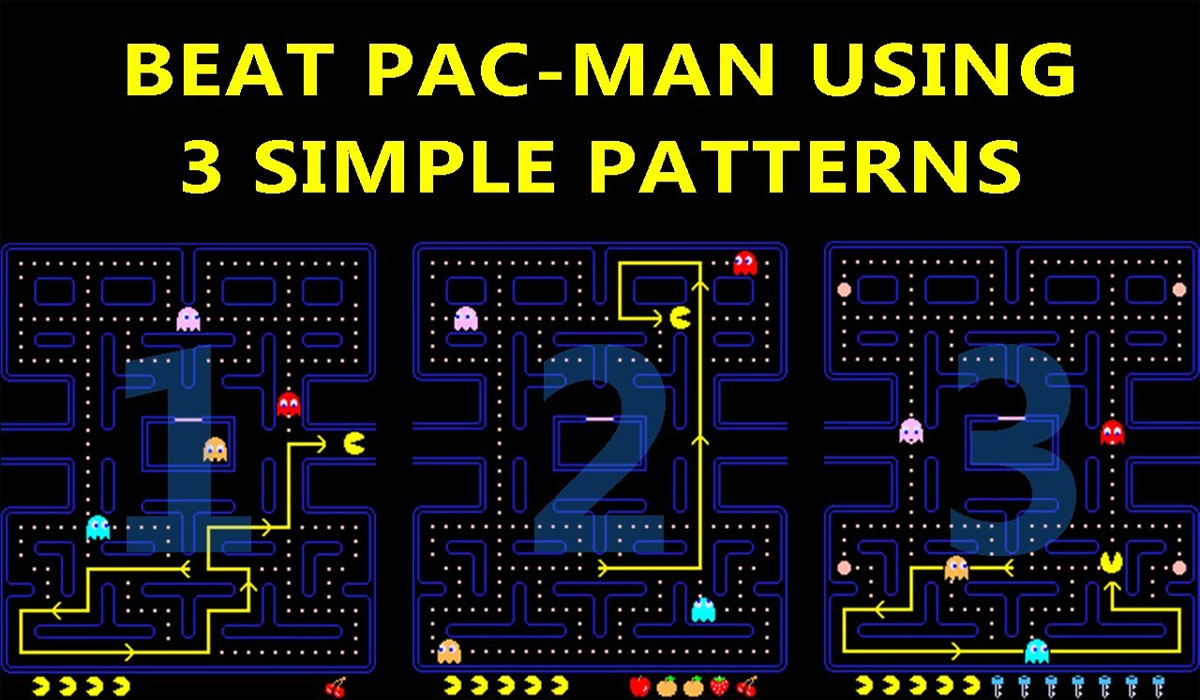
Power pellets are one of the most important strategic elements in Pac-Man because they temporarily reverse the power balance between player and ghosts. However, using them effectively requires more than simply activating them when danger appears. Timing is everything.
Experienced players often delay collecting power pellets until multiple ghosts are nearby. This maximizes the value of the power-up by allowing multiple captures in a short period of time. Each successful capture increases score exponentially, making timing a critical factor in high-level play.
There is also a psychological element involved in pellet usage. Skilled players sometimes use pellets not just for survival but to manipulate ghost positioning even before activation. By controlling movement around pellets, they can lure ghosts into optimal positions for maximum scoring opportunities.
Advanced Scoring Strategies and Kill Chains
High-level gameplay in Pac-Man is not just about survival but about maximizing score efficiency through chaining actions. Expert players plan routes that allow continuous pellet collection while minimizing unnecessary movement. Every step is calculated for maximum point efficiency.
One of the most important techniques is chaining ghost captures after activating a power pellet. When ghosts are eaten in quick succession, each one increases in value, leading to massive score boosts. This requires precise timing and knowledge of ghost proximity before activation.
Another advanced strategy involves controlling the spawn cycles of ghosts after they are captured. By understanding how and when ghosts re-enter the maze, expert players can predict future threats and maintain control over the game flow. This long term planning separates casual players from true experts.
Conclusion
Mastering Pac-Man is not simply about quick reactions but about understanding systems, timing, and behavior patterns. The hidden tricks used by experts reveal a deeper layer of strategy that transforms the game from simple entertainment into a highly structured challenge. By learning ghost behaviors, mastering map control, optimizing power pellet timing, and executing advanced scoring chains, players can significantly elevate their performance and experience the game in an entirely new way.
Image Source:
- First Image from cnnindonesia.com
- Second Image from gizmologi.id